
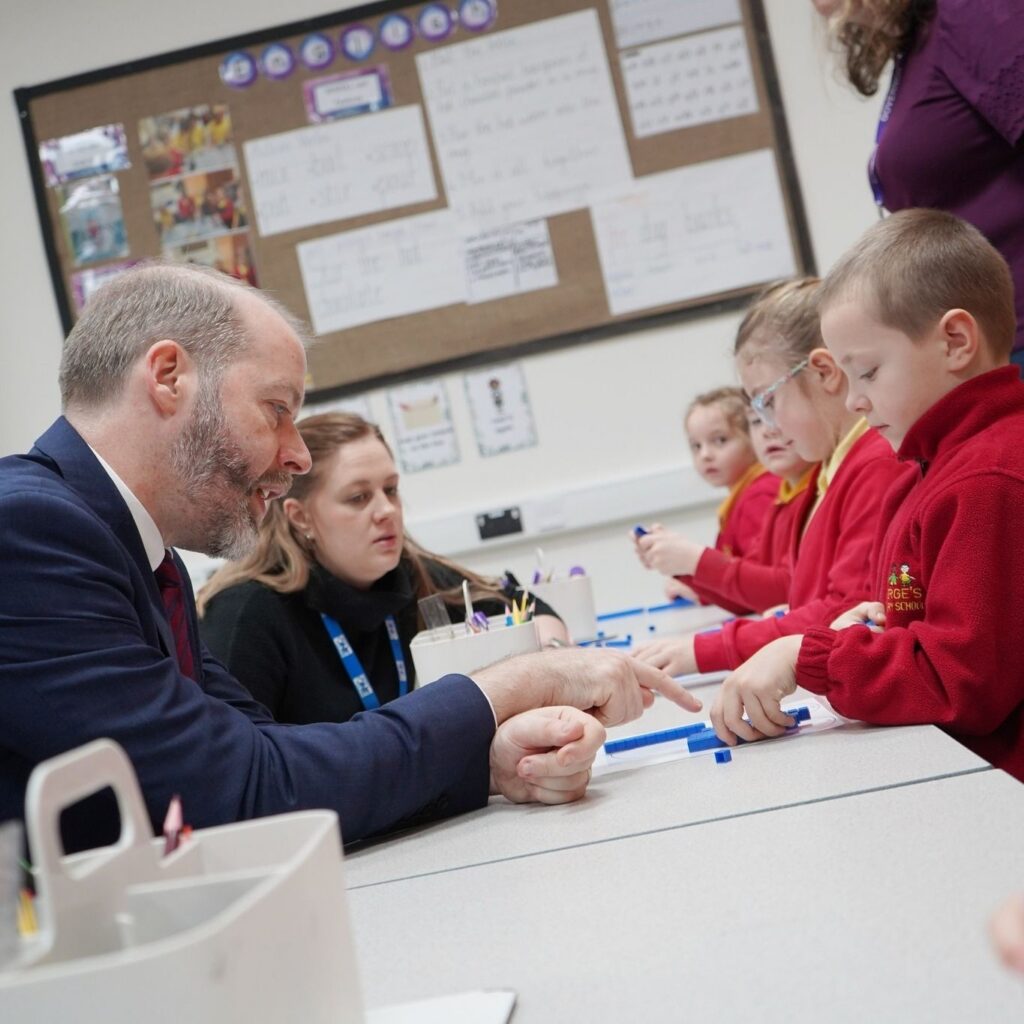
Like many, I have had to navigate the SEND system as a parent. I know the battles, the delays, and the exhausting sense that you are fighting a system instead of being supported by it. That is why I am proud that this government has published Every Child Achieving and Thriving, a comprehensive reform plan that finally matches the scale of what parents, teachers and children have been calling for. These reforms are not tweaks; they represent a fundamental shift toward an earlier, fairer and more inclusive SEND system designed around children rather than bureaucracy.
At the heart of the new proposals is a change families have been demanding for years: early, proactive support instead of the long waits and escalating crises that have defined the old system. Every child with SEND will now have a digital Individual Support Plan so their needs can be identified earlier and their support tracked consistently, replacing the fragmented and repetitive processes parents currently endure. National Inclusion Standards, published by 2028, will give schools a clear, evidence-based understanding of what good SEND support looks like and how to provide it well. Crucially, every Best Start Family Hub will include a trained SEND practitioner so that needs are spotted long before a child enters school, ensuring parents are no longer left to struggle alone in those vital early years.
These reforms also recognise that too many mainstream schools simply have not had the tools or resources to support children with additional needs. The new £1.6 billion Inclusive Mainstream Fund will give schools the flexibility to put support in place without forcing parents through lengthy EHCP battles just to secure basic help. The £1.8 billion Experts at Hand service will bring specialists – speech and language therapists, educational psychologists, occupational therapists – directly into nurseries, schools and colleges so children can get help quickly and without bureaucratic hurdles. And every secondary school will develop an inclusion base, ensuring that children can stay in their local school, with the right support wrapped around them, instead of being pushed out of mainstream settings when their needs become difficult to manage.
At the same time, the reforms strengthen the specialist support available to children with the most complex needs. Nationally defined Specialist Provision Packages will replace the inconsistent local offer that has left families experiencing wildly different levels of support depending on their postcode. Over 50,000 new specialist places will be created, backed by £3 billion in investment, with a focus on providing high-quality spaces that genuinely meet children’s needs rather than simply expanding capacity for the sake of numbers. EHCPs will remain in place for those who need them, but with clearer entitlements and better consistency so families know exactly what their rights are and what support their child should receive.
These reforms involve some of the largest SEND investments in decades, including the £1.6 billion mainstream fund, the £1.8 billion Experts at Hand service and £200 million in professional SEND training for staff. Funding that directly addresses long-standing gaps rather than creating new ones. I want to assure parents that EHCPs are not being abolished, but support that never required an EHCP in the first place will finally be available earlier and more reliably, while EHCPs themselves will remain for children with complex needs, supported by the new evidence-based packages. The fact is that as we have begun to understand difference better over generations, “special” educational needs may be special, but they are not unusual – many of us will know well a child it applies to – and we need a system that embraces this. No more tiring battles between parents, schools and local authorities. We need to rebuild an education that is inclusive by design, where every child – with or without a diagnosis or a plan – has tailored support to do their best. Concerns that parental choice will be reduced are also misplaced: parents will retain the right to request mainstream placement, and no child in a special school will be moved without family agreement. These reforms also follow the largest national conversation ever held on SEND, involving more than 8,000 people whose experiences have directly shaped the proposals now being taken forward.
For me, these reforms are not abstract policy changes; they resonate deeply because of my own family’s experience and with the many families I have supported as an MP. I have seen how transformative the right support can be, and how damaging it is when a family is forced to fight for every small intervention. This white paper acknowledges that reality and tackles it head-on, ensuring that children are supported early, that schools are properly equipped, and that families are treated as partners rather than obstacles.